

human suffering : ค้นหาหนังสือธรรมะ หน้า 3 / 8
หน้าหนังสือทั้งหมด
112
Understanding the Dhamma Body and Overcoming Mental Defilements
to enslave the mind and how we can overcome them. This is a major difference from the naked (physical) eye to which the defilements are invisible. The limits of our human senses are to know the manife
The passage discusses the limitations of human senses in perceiving mental defilements such as greed, hatred, and delusion. It highlights the importance of the Dhamma Body in providing insight into th
64
Suffering During Birth: The Experiences of the Foetus
suffering of the foetus, like being exposed to a rain of hot ashes. Each time the mother eats something spicy, the whole of the foetus’s body will itch and become swollen with the strength of the spic
This text delves into the intense suffering experienced by the foetus due to maternal actions, particularly when consuming spicy foods, causing skin irritations. It describes 'gabbha parihara mulaka d
66
The Suffering of Birth and Aging in Buddhist Philosophy
hunted to death. All of these forms of suffering could not occur if it wasn't for being born as an animal. The causative relation of animal birth for consequent suffering is said to be the ninth aspec
ในพุทธศาสนา, ความทุกข์จากการเกิดเป็นเรื่องสำคัญ โดยเฉพาะการเกิดเป็นสัตว์และวิญญาณหิวโหย ที่จะต้องเผชิญกับการทนทุกข์จากการไม่สามารถบริโภคได้ ในขณะที่ทุกข์จากการแก่แสดงออกถึงการเสื่อมสภาพของร่างกาย เช่น
78
Understanding the Noble Truth of Suffering
tial a person might be, it doesn't merit any special consideration on suffering's part — all are equal in the face of suffering. Thus, realization of the reality of suffering for what it really is, to
This section discusses the Buddhist understanding of suffering, emphasizing that all beings are equal in their experience of suffering. It highlights the significance of realizing the Noble Truth of S
86
Understanding Craving and Suffering in Buddhism
ing after such wealth, even though it is acquired by honest
means, is still subject to suffering because it contains craving which is the origin of suffering. Even the craving for the
Brahmā-world and
This text delves into the concept of craving in Buddhism, emphasizing that even honest wealth can lead to suffering due to inherent craving. It discusses how aspirations for the Brahmā-world can trap
88
The Perils of Craving in Buddhist Teachings
past, Ānanda and the rest of the monastic community were moved by the perils of the Cycle of Existence. Having completed his sermon, the Lord Buddha preached on the peril of Craving for the Brahmā-wor
In this teaching, the Buddha emphasized that craving is the root cause of suffering. He illustrated that just as a tree will regrow from its stump if not completely uprooted, suffering will persist if
117
The Noble Truth of the Cessation of Suffering
The Noble Truth of the Cessation of Suffering: A Conclusion
The Lord Buddha taught that the cessation of suffering can
be effected by extinguishing all craving through the prac-
tice of the Noble Eigh
The conclusion on the cessation of suffering according to the Buddha highlights the need to extinguish craving through the Noble Eightfold Path. Once craving is eliminated, suffering cannot return. Ou
138
The Nature of Human Beings and the Five Precepts
What is the Nature of Human Beings?
The nature of human beings consists of five
characteristics.
1. By nature, humans will not kill.
A human who takes life has deviated from the nature of
humankind. H
The nature of human beings encompasses five fundamental characteristics that differentiate us from animals. First, humans, by nature, refrain from killing, which is vital to our humane identity. Secon
139
The Importance of the Five Precepts in Society
4. We shall not lie, utter profanity, speak nonsense, or
use divisive words.
5. We shall not consume intoxicants such as addictive
drugs and alcohol.
These Precepts are needed to keep peace on earth.
The Five Precepts serve as fundamental guidelines for maintaining peace on earth. Originating before Buddha, they measure human behavior: full adherence results in complete humanity, while deviating r
138
The Nature of Human Beings
What is the Nature of Human Beings?
The nature of human beings consists of five characteristics.
1. By nature, humans will not kill.
A human who takes life has deviated from the nature of humankind.
The text discusses the fundamental nature of human beings, emphasizing five key characteristics that define humanity. The first precept highlights the importance of not killing, suggesting that violen
21
Understanding Kilesa and Its Influence on the Mind
Kilesa is an element that soils the mind, invading it with great intensity to override the rational and, if allowed to, is ultimately the cause of mental suffering. Kilesa does not reveal its insidiou
Kilesa is an intrinsic element that corrupts the mind, causing mental suffering and overriding rationality. It acts like a hidden virus, lying dormant within the mind from birth. When viewed through D
141
Understanding Impermanence, Suffering, and Not-Self
Impermanence [aniccān]: This is the built-in character of objects that are of a nature to change the whole of the time. Such things as the Five Aggregates of the Human Body are changing the whole of t
This text delves into the fundamental Buddhist concepts of impermanence (aniccān), suffering (dukkham), and not-self (anattā) as expressed through the Five Aggregates of the Human Body. It highlights
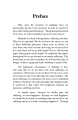
11
The Quest for Knowledge and Happiness
Preface
Why, since the existence of mankind, have we
unceasingly put all of our resources in order to search for
newer knowledge and technology? Taking this question back
to its roots, we will eventua
This preface discusses the fundamental reasons behind humanity's relentless pursuit of knowledge and technology. It highlights how ignorance leads to suffering and fear, emphasizing the need for knowl
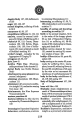
219
Understanding Suffering and Enlightenment in Buddhism
Angelic Body 107, 122; defilements by attaining Dhammakaya 111 of 135
bemoaning, as suffering 47, 58, 71,
anger 135, 136, 137 199; relationship to sorrow and lam-
animal kingdom, suffering of birth en
This text delves into key Buddhist teachings regarding suffering, attachment, and the process of attaining enlightenment. It analyzes various forms of suffering, including the suffering associated wit
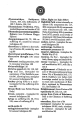
223
Exploring Dhammakāya and the Eightfold Path
Dhammakāya, Sotāpana: Effort, Right (see Right Effort)
Coarse, 108, 134; defilements of
Eightfold Path: arises internally as 136-7; Subtle, 108, 134
sphere 105; components 20, 117,
Dhammakāya Traditi
This text delves into the Dhammakāya tradition, highlighting key components of the Eightfold Path and its teachings on defilements, enlightenment, and the nature of suffering. Concepts are illustrated
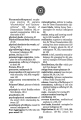
229
Exploring Key Buddhist Concepts and Practices
Phramonkothpumuni: emphasises practice 12; explains "dhammikāya" and "āyatannibbāna" 102; founder of Dhammakāya Tradition 102; respected commentarian 102-3; sixteen tasks of 207 physical deeds, wholes
This text delves into various aspects of Buddhist philosophy, focusing on the teachings and practices associated with the Dhammakāya Tradition founded by Phra Mongkothpumuni. It highlights the signifi
22
Understanding the First Noble Truth
-- The First Noble Truth states that all conditioned existence is characterized by suffering or unsatisfactory condition.
-- Suffering exists. Birth, aging, sickness, death, discontentment, disappoint
The First Noble Truth explains that all conditioned existence is marked by suffering. This suffering encompasses various forms such as birth, aging, illness, and death. Essential concepts like attachm
59
Understanding the Noble Truths of Suffering
by reflecting on Suffering's meaning at 2, 3 and 4 in that
order. As for the the meaning at 2, even though it is con-
cerned with the Noble Truth of Suffering, it has implications
reaching to the Orig
The text reflects on the meanings of Suffering within Buddhism, particularly its Noble Truths. It discusses how the meanings related to Suffering connect with the Origin, Cessation, and the Noble Eigh
62
The Suffering of Birth: Understanding the Stages of Embryonic Development
The suffering of birth starts to affect beings without exception from the moment they are conceived. Some beings are fully equipped with sense spheres [āyatanā] from the moment they are born — others
The suffering of birth begins at conception and affects all beings. It varies by the mode of birth, with those born from the womb experiencing more suffering. Mammalian embryonic development shows cha
70
Understanding Suffering: The Dukkha of Illness and Dying
in its place. Even the Buddha and the enlightened ones are
subject to the suffering of illness — so who are we to over-
look the misery of illness?
4. Suffering as a result of Dying [marana dukkhā]
Al
This text delves into the concepts of suffering in Buddhism, particularly focusing on the pain associated with illness and the inevitable reality of death. It elucidates how all beings, including enli